Shinobi Way Stat Training Planner
Draft path-aligned stat lines before you commit points at trainers.
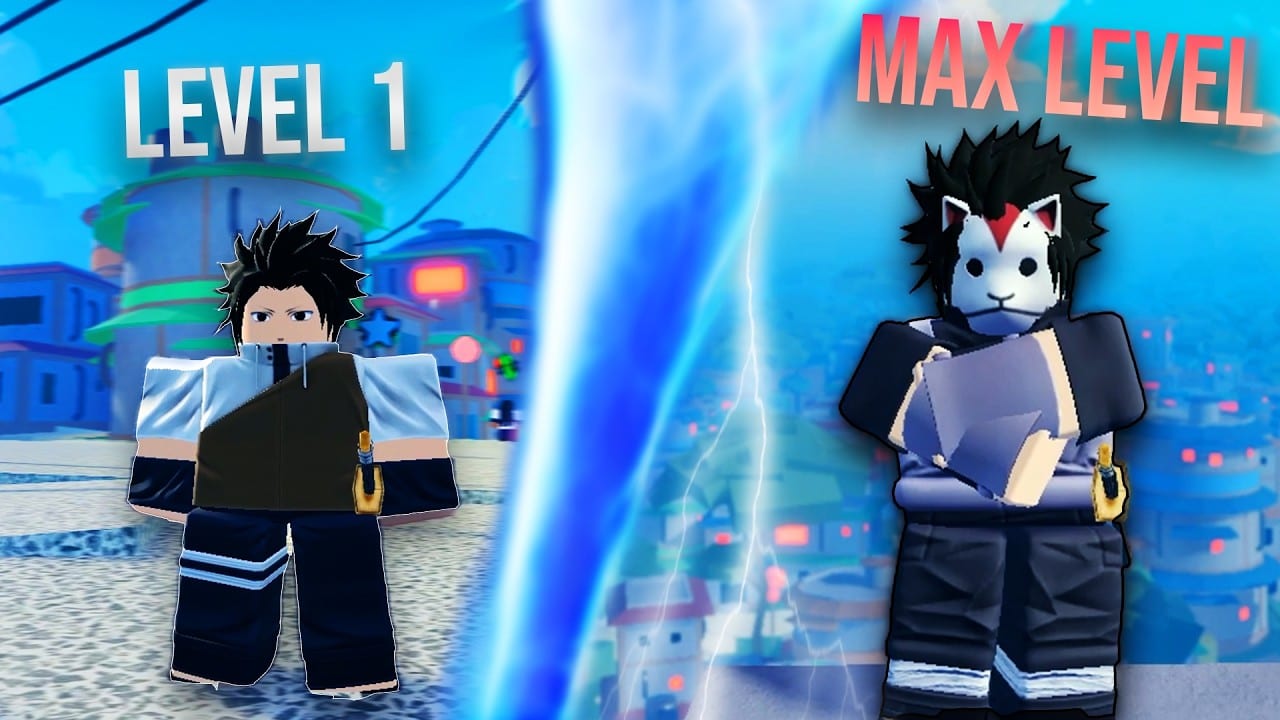
Stat training is the slow-burn system that turns Shinobi Way rolls into real power. Lineages from spins and elements from rerolls get the spotlight, but untrained accounts lose duels, fail boss checks, and stall quests regardless of tier labels. Ouro Games scattered trainers across the open world so progression rewards exploration — this stat training planner helps you draft a path-aligned build before you spend points you cannot easily reclaim.
Use the planner with the written stat priority guide, beginner builds, and Taijutsu vs Ninjutsu comparison. Tier lists on the tier list hub tell you what to reroll; the planner tells you how to train once your lineage and element make sense together.
Why plan stats before grinding
Shinobi Way players commonly make the same mistake: reroll until a community S-tier name appears, then train stats randomly while questing. The result is a flashy lineage with weak jutsu scaling, or a Taijutsu path starved of melee investment. Hybrid accidents happen when players add “a few” off-path stats without reading PvP builds.
Planning forces you to answer:
- Which jutsu path am I committing to this week?
- Does my element from the element tier list need chakra bias or burst bias?
- Am I optimizing for PvP, bosses, or safe quest progression?
Write the answers down in the planner widget, then train deliberately.
Check the stats you want to focus next session. Your checklist stays in this browser only.
Ninjutsu planning snapshot
Ninjutsu remains the default path in community jutsu tier lists because elements feed directly into kit damage and range.
Draft priority: jutsu or ninjutsu scaling first, chakra second, health third for early survivability, then defensive tweaks before open-world PvP sessions.
Spin synergy: after redeeming codes like UPDATE1 and 30KLIKES from the codes hub, align training with your element tier — Cement and Chaos routes want consistent rotation uptime; burst elements may bias shorter windows.
Test milestone: if quest mobs die in one rotation, shift points toward health or PvP thresholds before adding more damage.
Taijutsu planning snapshot
Taijutsu rewards melee damage, stamina, and health for trade length.
Draft priority: physical or melee scaling first, health second, stamina third, minimal ninjutsu unless mid-game hybrid is an explicit goal.
Element note: even Taijutsu builds use elements for gap close — do not ignore the element tier list when planning.
Test milestone: if you cannot finish a basic combo before opponents reset neutral in open-world PvP, bias stamina or damage before adding off-path stats.
Genjutsu planning snapshot
Genjutsu paths need scaling plus enough bulk to survive failed reads.
Draft priority: genjutsu or jutsu scaling, chakra pools for repeated setups, health for squad or solo disengage.
Genjutsu is niche in solo meta; coordinate with teammates using builds hub guides if you run squad PvP.
PvP vs PvE sliders in your head
The planner works best when you label a primary goal for the next ten levels.
| Goal | Planning bias |
|---|---|
| Open-world PvP | Survive one burst, maximize starter damage, respect disengage cooldowns |
| Boss farming | Sustained DPS, telegraph survivability, rotation uptime |
| Quest progression | Balanced damage and health while learning mechanics |
When EVILFOX or similar boost codes are active, short boss sessions favor PvE bias even if you normally duel. Copy codes quickly from the codes copier so you do not burn boost time in menus.
Connecting planner output to tier lists
Stats multiply roll quality — they do not replace it.
- Low-tier element with perfect stats still struggles in high-level PvP
- High-tier lineage with zero training loses to balanced A-tier accounts
Use spins from Shinobi Way codes until synergy is “good enough,” then follow planner output religiously for a week before rerolling again.
Common planner mistakes
Planning hybrid without hybrid resources — split lines look smart until duels prove neither side hits thresholds.
Ignoring health — glass plans fail in Shinobi Way’s third-party PvP environments.
Never revisiting the plan — patches change scaling; check updates and adjust.
Skipping tools entirely — random trainer visits waste currency compared to five minutes of drafting here.
After you draft a plan
- Train stats at trainers unlocked through guides quest progress.
- Test in one boss and one optional duel.
- Reopen the planner and shift ten percent of future points toward weak spots.
- Reread stat priority when you hit mid-game.
Related pages
- Tools hub — all wiki utilities
- Codes copier — copy promo strings before farming sessions
- Stat priority guide — prose training order
- Beginner builds — first-week loadouts
- Lineage tier list — reroll targets that match your plan
The stat training planner does not play the game for you — it prevents the regret of misallocated points. Draft, train, test, and revisit whenever Shinobi Way patches or your squad role changes.
Frequently Asked Questions
Quick answers to the most common Shinobi Way questions.
What does the stat training planner do?
It helps you draft stat priorities for Ninjutsu, Taijutsu, or Genjutsu paths before you spend points at trainers. Pair it with the stat priority guide for full context.
Do I still need the stat priority guide?
Yes. The guide explains why each stat order works; the planner is an interactive draft board for your specific build goal.
Can I plan hybrid Taijutsu and Ninjutsu stats?
You can draft hybrids, but beginners should specialize first. Hybrids usually need mid-game resources to perform well.
Does the planner connect to my Roblox account?
No. It runs in your browser without login or API access. Plans stay local to your session unless the component saves preferences in-browser.
When should I revise my stat plan?
After major patches, when you change jutsu path, or when duels and bosses reveal a clear weak spot in damage or survivability.