Shinobi Way Builds Hub
Practical loadouts for progression, open-world PvP, and boss farming in Ouro Games' ninja RPG.
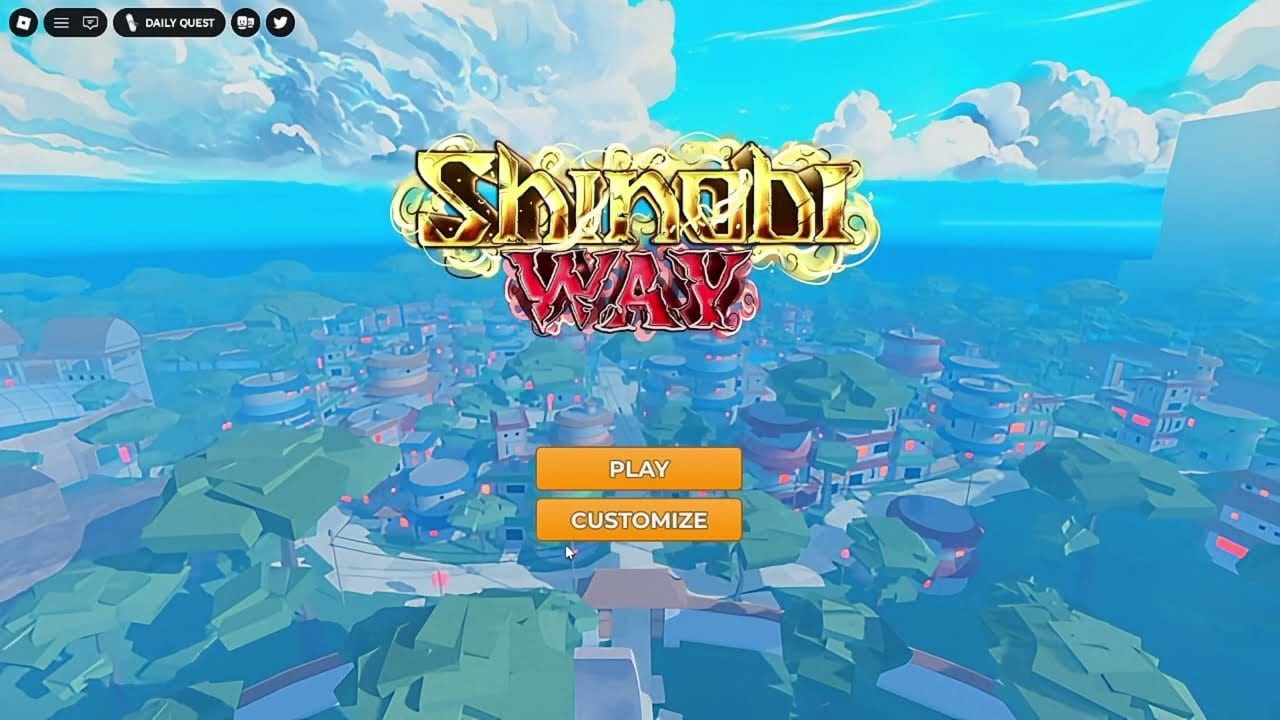
Building a strong ninja in Shinobi Way means aligning lineages, elements, jutsu paths, and trained stats toward a clear goal. Ouro Games designed the Roblox experience for open-world PvP, boss progression, quest chains, and spin-driven rerolls — so “best build” answers differ depending on whether you care about duels, farming, or learning fundamentals. This Builds Hub collects every loadout guide on the wiki and explains how to use them without copying a meta snapshot that tomorrow’s patch might rewrite.
Build guides here complement — not replace — tier lists. Tiers rank community power bands; builds show how to invest once you pick a direction. Redeem spins from Shinobi Way codes first, skim tier placements on the lineage and element pages, then return here for stat splits and combat path advice.
How to pick a build direction
Ask three questions before you train stats or burn rerolls:
- Content focus — Do you mainly quest, farm bosses, or hunt open-world PvP?
- Combat fantasy — Melee rush, elemental combos, or control/setup?
- Resource budget — How many spins and code rewards do you realistically have this week?
Honest answers prevent hybrid builds that spread stats too thin. Most new accounts should pick one jutsu path from the jutsu tier list and commit through early ranks, then respec or branch only when the game allows or when you stockpile training resources.
Build guides on this wiki
Each page below covers one slice of Shinobi Way progression. Read the hub intro here, then dive into the guide that matches your account stage.
Beginner builds
Day-one and first-week loadouts that avoid expensive reroll traps. The beginner builds page explains safe lineage and element commitments, which jutsu path to learn first, and how to spend code spins without regret. Start here if you just joined Ouro Games’ experience after Update 1.
Taijutsu vs Ninjutsu
The classic fork in Shinobi Way progression. Taijutsu vs Ninjutsu compares melee burst versus elemental scaling, training costs, PvP pacing, and when hybrid stats stop being worth it. Read this before you split points halfway.
PvP builds
Open-world PvP loadouts that pair top community tier picks with practical stat lines. The PvP builds page covers duel starters, team fight roles, and counter-play against common Cement and Chaos routes without inventing exact damage numbers.
Stat priority
Stats are the silent multiplier behind every build. The stat priority guide orders training for Ninjutsu, Taijutsu, and Genjutsu paths, explains boss vs PvP emphasis, and links to the stat training planner when you want a paper plan before grinding.
Builds and the spin economy
Spins reroll lineages and elements — the identity layers builds sit on. Codes such as UPDATE1 and milestone rewards from the codes hub accelerate rerolls but never replace stat training. A common mistake is perfect rolls with untrained stats; another is max stats on a low-synergy element because a tier list was not consulted.
Use this loop: codes → tier lists → build page → stat training → boss or PvP test. Repeat after patches.
PvE vs PvP build tension
Boss farming favors sustained damage, survivability, and drop-boost windows from codes like EVILFOX. Open-world PvP favors burst, combo stability, and escape tools. One account can lean PvE early and pivot PvP later, but stat reallocation may lag behind — plan your first fifty levels with a bias.
The PvP builds page labels which loadouts sacrifice boss speed for duel win rate. Beginner builds bias quest safety so you unlock systems before hardcore optimization.
Synergy with guides and tools
Build advice stays grounded when paired with walkthroughs and planners:
- Getting started — controls, first quests, and village basics
- How to get spins — economy beyond codes
- Stat training planner — draft stat lines before you commit
- Codes copier — quick copy strings when new codes drop
When to rebuild your character
Consider changing builds when:
- A patch buffs your unused jutsu path or nerfs your main element.
- You earned enough spins to reach A-tier synergy on the lineage tier list.
- Your squad needs a role you are not filling — control, burst, or frontline.
Rebuilds cost time. Tier lists and build pages reduce the cost of wrong choices; they do not eliminate experimentation, which is core to Shinobi Way’s identity as a build-diverse ninja RPG.
Staying current
Ouro Games ships updates that shift combat pacing, boss HP, and spin-adjacent systems. Revisit this hub after major patches listed on Shinobi Way updates, refresh your stat plan, and test in duels before you declare a build dead. The best Shinobi Way build is the one you can execute — these pages help you execute with fewer detours.
Spin spending
- How to spend spins — turn UPDATE1 and milestone stacks into a planned build instead of panic rerolls.
Frequently Asked Questions
Quick answers to the most common Shinobi Way questions.
What is the best build in Shinobi Way for beginners?
Most beginners should follow the beginner builds page: pick Ninjutsu or Taijutsu early, avoid hybrid stats, and use code spins before expensive rerolls. Exact loadouts depend on your lineage and element rolls.
Do builds replace tier lists?
No. Tier lists rank relative power; build pages explain stat splits, jutsu paths, and gameplay habits. Use both together when planning progression.
Can one build work for PvP and bosses?
Some loadouts bridge both, but specialized builds usually perform better. PvP builds often trade sustained boss DPS for burst and combo tools.
Where do I plan stats before training?
Read the stat priority guide and use the stat training planner tool on this wiki to draft a path-aligned stat line before you grind.
How often should I change my build?
Re-evaluate after major patches or when you gain a high-synergy lineage or element roll. Frequent rebuilds waste training time unless the meta shift is large.